After what seemed like a lull in the action at the proposed potash site in Osceola County, the EPA got around to holding a public hearing on the request by Michigan Potash to change the level of the three injection wells they were granted so they can drop waste into a shallower formation. They also requested new permits for additional injection wells. The Hearing was July 11 in Evart. Representatives from EPA and EGLE were there to hear comments from the public. MCWC provided talking points to supporters who attended and introduced our comments publicly and later in writing. We were pleased to see that EGLE was not just going to rubberstamp these permits this time, but actually intended to investigate on the ground. To date decisions have not been made on the permits.
Our submitted written comments follow:
Michigan Citizens for Water Conservation members testified at the hearing in Evart July 11. This comment is to clarify the position of the organization on the three modified and three new class 1 injection well permits. You heard the arguments in opposition to granting all 6 permits at the hearing. We wish to reiterate the following reasons why the original permits should not be modified and no new permits should be issued for injection wells:
Living in the sacrifice zone.
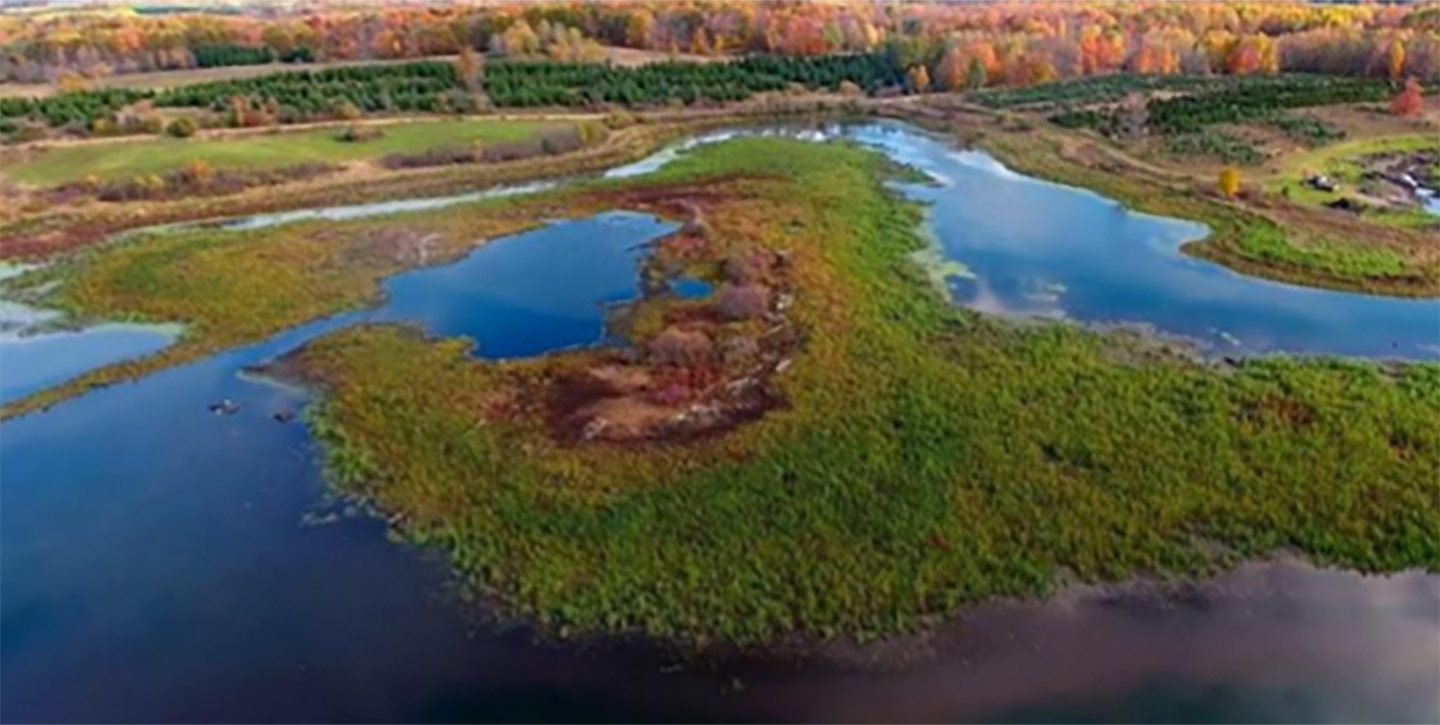
1) MPO was originally permitted to use 1,200 gallons per minute of fresh water for its solution mining operation. It has since expanded its production estimate to need a consumption of 1 billion gallons of water per year but has not increased its permitted quantity. MPO claims a closed loop system means most of this water will be recycled. The amount not recycled will go into the waste injection wells, thus threatening a rather large sacrifice zone should any of them leak. This also requires a large network of pipes which will also be subject to leaks. We have been researching injection wells for many years and it is clear that there is no such thing as a leak proof system, no matter how fancy the casings. Particularly with the modifications requested that put the waste into the more porous Dundee system where old un-surveyed bore holes from oil and gas exploration still exist, the chances of waste migrating into fresh water aquifers and ecosystems is too great. The area is full of numerous wetlands, creeks, the Muskegon River, and private wells. Bullkill Marsh is home to endangered species. The hundred square mile sacrifice zone is totally unacceptable.
2) The enterprise that proposes to expand its range of injection wells is operating in a site that previously was tried by two other reputable companies and they abandoned it. Cargill only mines salt now nearby. Potash is well supplied to the US by Canada at lower prices than MPO could afford to charge; There is no rail transportation nearby, the county planning commission has been unable to get any information from MPO about the impact of the huge road and pipe networks that will be needed to get the potash to market.
3) Those who live in the sacrifice zone are dependent on wells for drinking water. The risk of contamination of those wells from the waste injection and the obvious unacceptable taking of water from the local aquifers which will be sent underground as waste and be out of the water cycle forever, are good reasons to stop this project and deny these permits. We have already seen the impact on local wells and aquifers in Evart from the pumping done over the years by Nestle/Blue Triton. Their impact is small compared to the projected water waste of MPO. The Water Withdrawal Assessment Tool is a joke and has little to do with reality on the ground. A computer model that never looks at the real world impacts, and permits, even if the tool fails, by issuing a site specific review from the office, is not something anyone should take seriously. The dried-up creek headwaters of Chippewa Creek in Evart are testimony to the failure of the tool to predict harm. There is no reason to believe it will do anything but rubber stamp the requests for water by MPO. That water will then become waste water. This is unacceptable to the members of our organization who live in Osceola and Mecosta Counties. There are many of them. We ask you not to modify the original three injection well permits, and not to issue permits for any new ones.
Share!
What is Potash Mining?
Potash is extracted from underground deposits or from solutions. Underground deposits come from evaporated sea beds. Boring machines dig out the ore, which is then crushed and refined to extract potassium salts. Potash mining can have environmental impacts, such as water contamination, disruption of wildlife and vegetation, and large-volume water consumption.